
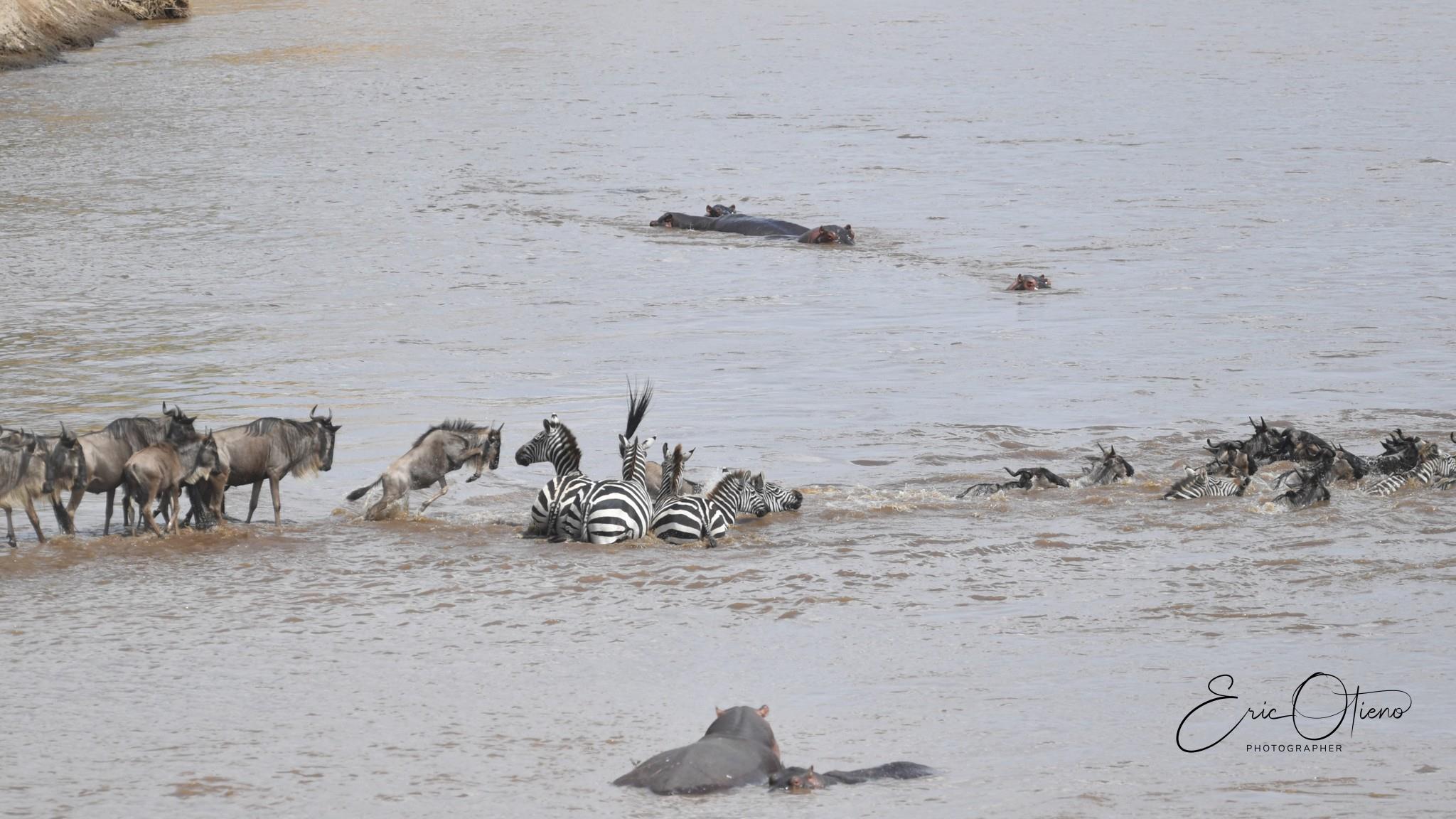
The Maasai Mara is known for more than wildlife. The landscape itself is part of the experience: open plains, the Mara and Talek river systems, escarpments and changing seasonal light.
What is Maasai Mara best known for besides wildlife?
A hat and good sunglasses are useful on safari because sun exposure can be strong even when the air feels cool. A hat with a secure fit is better than a very wide brim that blows away in an open vehicle.
Choose sunglasses with proper UV protection. Photographers may prefer lenses that do not distort colour too heavily when checking a camera screen.
Keep both items in your day bag rather than packed in the main luggage.
Why Maasai Mara changes the answer
Kenya's best-known savannah reserve, part of the wider Serengeti-Mara ecosystem and one of East Africa's strongest areas for big-cat viewing. Open plains, river systems, escarpments and scattered woodland create a wide range of habitats and photographic backgrounds.
The reserve is rewarding year-round; the long dry period and the seasonal movement of wildebeest can create intense wildlife concentrations, while green months offer fewer vehicles in many areas, lush scenery and excellent birding.
Wildlife does not follow a timetable
Guides improve your chances through experience, tracking and knowledge of the landscape, but wild animals choose where to move. Weather, water, prey, breeding and disturbance all influence a sighting.
The best game drives allow enough time to observe behaviour. A quiet twenty minutes with one animal can reveal more than a hurried search for a longer species list.
What this means for your itinerary
The area is also home to Maasai communities whose contemporary lives, conservation partnerships and cultural traditions are an important part of the wider ecosystem.
A thoughtful itinerary can include landscape photography, a respectful hosted community visit and time to understand conservation as well as game drives.
Habitat often explains what you see
Open grassland, riverine forest, wetlands and dry bush support different animals. That is why the same species may be common in one area and difficult to find in another.
When wildlife is a major priority, tell ESA Safaris which species or behaviours interest you. The route can then be designed around suitable habitats and seasons without promising a sighting that nature cannot guarantee.
Before you book or travel
- Tell ESA Safaris which species or behaviours interest you most, while keeping expectations realistic.
- Ask how much time the itinerary allows in the wildlife area, not only how many destinations it names.
- Pack binoculars if you enjoy observing behaviour rather than relying only on the guide's equipment.
- Follow the driver-guide's decisions on distance, positioning and when to move on.
Frequently Asked Questions
Is an early game drive always better?
Early morning is often productive because temperatures are cooler, but good sightings can happen at any time. The best schedule depends on the destination and conditions.
Can I ask the guide to move closer?
You can explain what you hope to see or photograph, but the driver-guide decides the safe and permitted distance. Wildlife welfare and park rules come first.
Do binoculars make a difference?
Yes. Binoculars help with birds, distant animals and behaviour that is easy to miss with the naked eye, even when you also carry a camera.
Are wildlife sightings guaranteed?
No. A responsible safari operator cannot guarantee a wild animal. Guides improve the chances through local knowledge and fieldcraft, but weather, habitat and animal movement still matter.
Turn the answer into a workable itinerary
Share your travel dates and wildlife priorities with ESA Safaris. A well-planned route can improve the quality of your game-viewing time while keeping expectations honest and responsible.


